


Furnace maintenance in Ottawa is usually something homeowners think about as fall approaches. This year, some residents have another reason to have their heating systems inspected before winter: recent basement flooding.
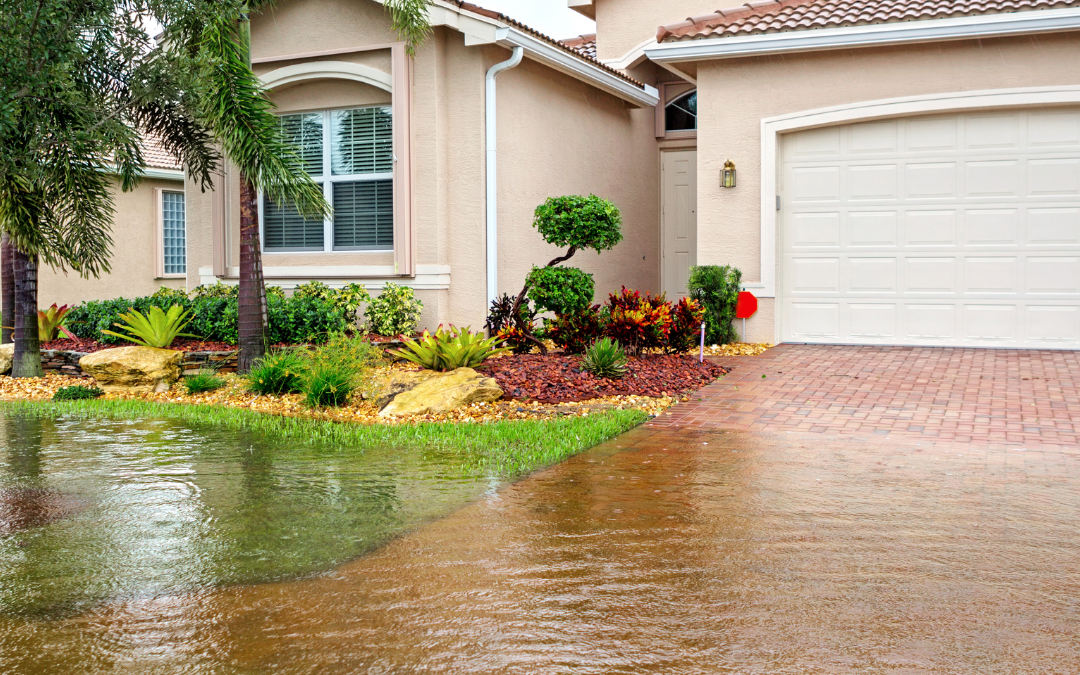
The July 1, 2026 extreme weather event caused widespread flooding in Ottawa, including a significant number of basement flooding incidents. For homes where water entered the mechanical room, furnaces and other HVAC equipment may have been exposed.
Even if a furnace looks dry after the water recedes, moisture can damage electrical controls, wiring, motors, burners, and other internal components. If water reached or came close to your heating system, a professional furnace inspection should be part of your cleanup process.
Why Flooding Can Damage Your Furnace
Most furnaces contain a combination of gas, electrical, and mechanical components. Many important parts are located near the bottom of the furnace cabinet, which means even relatively small flooding can cause problems.
Water exposure may affect components such as blower motors, control boards, electrical connections, ignition systems, gas valves, and sensors and safety controls.
The type of flooding matters as well. Water from a plumbing leak may cause different concerns than groundwater or a sewer backup, which can leave dirt, contaminants, and debris inside the furnace. Because much of the damage may be hidden, you should never assume that a flooded furnace is safe to use simply because it has dried.
What to Do If Floodwater Reaches Your Furnace
If water enters your basement near your furnace, safety should come before troubleshooting or cleanup.
The City of Ottawa advises residents not to enter flooded areas until it is safe to do so. Water near electrical equipment or gas-fired appliances can create serious hazards.
If flooding occurs around your heating equipment, follow this checklist:
- Do not turn the furnace back on: A furnace that appears dry may still have damaged electrical or mechanical components.
- Avoid standing water near electrical equipment: Do not walk through water to reach your furnace, electrical panel, switches, or outlets.
- Contact the appropriate utility if necessary: If water has reached electrical equipment or gas-fired appliances, follow City of Ottawa guidance and contact Hydro Ottawa or Enbridge Gas when appropriate.
- Take photos of the damage: When it is safe, document the water level, furnace, surrounding equipment, and other affected areas for your insurance provider.
- Contact your insurance company: Ask whether they require photos, an HVAC inspection, repair estimates, or other documentation.
- Schedule a professional furnace inspection: Have a qualified HVAC technician inspect the equipment before attempting to operate it.
- Ask whether repair or replacement makes sense: The right option will depend on the water level, furnace age, affected parts, and extent of the damage.
- Schedule furnace maintenance before winter: Once flood-related issues have been addressed, have the complete heating system checked before the colder months arrive.
Can a Flooded Furnace Be Repaired?
A flooded furnace does not automatically need to be replaced. Whether repairs are possible depends on how much water entered the unit and which components were affected.
If water stayed below the furnace cabinet, an inspection may be enough to confirm that the system is safe. If water entered the furnace and reached electrical controls, burners, wiring, or other critical components, more extensive furnace repair may be necessary.
A professional technician can inspect the furnace’s blower assembly, ignition system, burners, electrical components, safety controls, gas connections, and venting. The age and condition of the furnace should also be considered. Replacing several expensive components in an older unit may not make sense if the furnace was already approaching the point where replacement would soon be necessary.
Capital City Heating & Cooling provides furnace maintenance and repair throughout Ottawa, and services all makes and models of existing heating systems.
When Furnace Replacement May Be the Better Option
In some situations, furnace replacement may be more practical than repairing a heavily water-damaged system.
Replacement may be worth considering when:
- Floodwater reached several major components
- Contaminated water entered the furnace cabinet
- Significant corrosion or electrical damage is present
- Repair costs are high compared with the value of the furnace
- The furnace was already old or experiencing frequent problems
Replacing an older furnace can also provide an opportunity to upgrade to a newer high-efficiency heating system. Capital City Heating & Cooling installs high-efficiency Bryant furnaces and is a Bryant Factory Authorized Dealer. If you have already been told that your furnace needs major repairs or replacement, Capital City can also provide a free second opinion before you make your final decision.
Why Regular Furnace Maintenance Matters in Ottawa
Flooding creates an immediate reason to inspect a furnace, but regular furnace maintenance in Ottawa is important even when your basement stays completely dry.
Ottawa heating systems can run for long periods through the winter. Over time, that puts additional wear on burners, blower motors, ignition systems, filters, and electrical components. Routine maintenance allows a technician to identify smaller problems before they lead to a breakdown during cold weather.
A furnace maintenance visit may include checking burners and ignition systems, heat exchangers, filters, safety controls, venting, gas pressure, electrical connections, and blower and moving components.
Late summer and early fall are good times to schedule furnace maintenance because problems can be addressed before the system is needed every day in winter.
Signs Your Furnace Needs Attention After Flooding
Once an HVAC technician has confirmed that your furnace is safe to operate, continue to pay attention to how it runs.
Contact a furnace repair company if you notice:
- Unusual noises, such as banging, squealing, rattling, or grinding
- Difficulty starting or a furnace that needs multiple attempts to turn on
- Repeated shutdowns before your home reaches the desired temperature
- Weak or inconsistent airflow from your vents
- Strange smells, especially burning, electrical, or gas-like odors
- Tripped breakers or other electrical issues connected to the furnace
- Visible rust, corrosion, cracks, or other signs of physical damage
- Heating that seems less effective than before, even when the thermostat is set correctly
Water damage can sometimes lead to corrosion or electrical problems after the basement itself has dried. If something does not seem right, having the furnace inspected again is safer than assuming the issue will disappear.
Get Your Furnace Ready for the Next Ottawa Winter
The recent flooding in Ottawa left some homeowners dealing with damaged basements, belongings, and mechanical equipment. If water reached your furnace, do not overlook your heating system during the cleanup process.
A professional inspection can determine whether your furnace simply needs maintenance, requires specific repairs, or has suffered enough damage that replacement makes more sense. Even if your furnace was not affected by flooding, scheduling furnace maintenance in Ottawa before winter can help identify potential problems and prepare your heating system for the months ahead.
Capital City Heating & Cooling provides furnace maintenance, furnace repair, replacement, and emergency heating services throughout Ottawa and surrounding communities.
Contact us to schedule furnace maintenance or an inspection before heating season. If another contractor has recommended replacing a flood-damaged furnace, ask Capital City about getting a free second opinion.
Frequently Asked Questions About Furnace Maintenance and Flooding
What should I do if my furnace gets wet during a flood?
Do not turn the furnace on. If water has reached electrical or gas-fired equipment, follow the appropriate safety guidance and contact your utility provider if necessary. Once the area is safe, have the furnace inspected by a qualified HVAC technician.
Does a flooded furnace always need to be replaced?
No. Whether a flooded furnace can be repaired depends on how high the water reached, which components were damaged, the type of water involved, and the age and condition of the furnace. If you’re not sure whether your furnace is safe to repair or replace, call a professional HVAC company like Capital City to inspect it and recommend the best next step.
Can I restart my furnace after it dries?
You should not restart a furnace that has been exposed to floodwater without having it inspected first. Moisture, corrosion, contamination, or electrical damage may be present inside the equipment even if the exterior appears dry.
How often should I schedule furnace maintenance in Ottawa?
For most homeowners, annual furnace maintenance is recommended. Scheduling service before the heating season gives you time to address developing issues before Ottawa’s colder temperatures arrive.
When should I consider furnace replacement after flooding?
Replacement may be appropriate if water damaged several major components, contaminated the furnace, caused extensive corrosion, or affected an older furnace that would require costly repairs.